Neurofeedback in brief
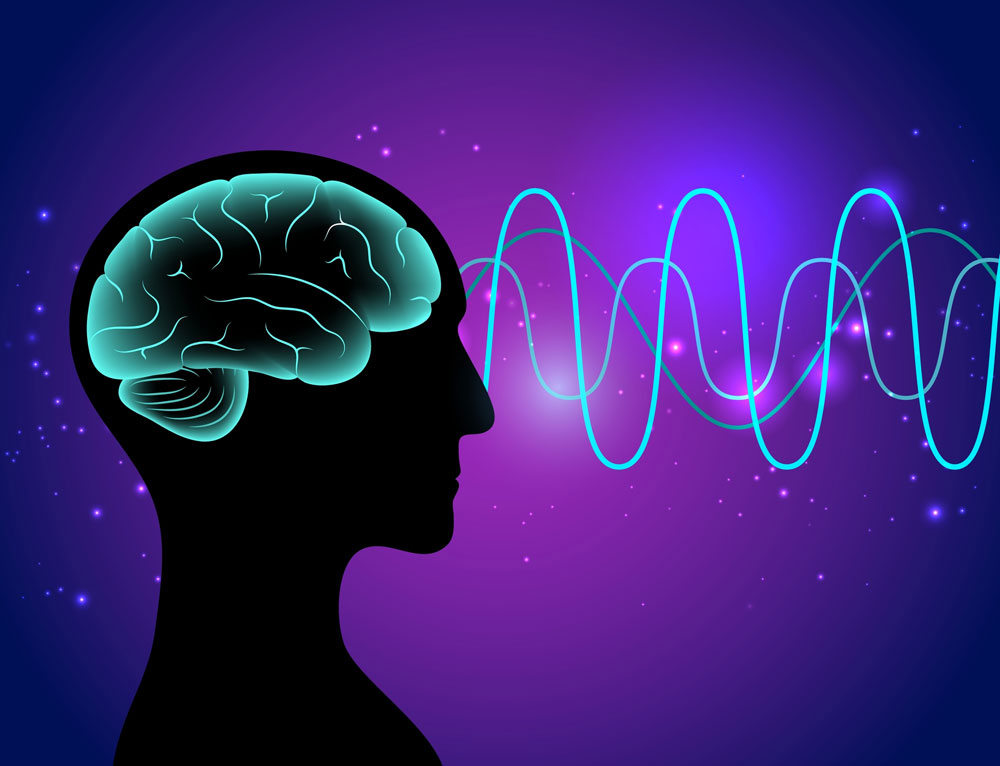
Neurofeedback is a form of brain training in which brain activity is measured in real time and fed back through sound or images. This gives the brain information about its own activity and can help it practise more stable self-regulation.
People often look for neurofeedback when they experience ongoing restlessness, concentration problems, stress, sleep problems, fatigue or mental overload. Others use it to support recovery, resilience or general functioning.
What is the difference between neurofeedback and neurotherapy?
The terms are sometimes used together, but they do not always mean exactly the same thing. Neurofeedback usually refers to the training itself: measuring brain activity and giving immediate feedback. Neurotherapy is a broader term for a trajectory in which intake, observation, explanation, QEEG and neurofeedback sessions can come together.
In practice, the most important question is which approach fits the person and the question. Sometimes the emphasis is on regulation and training; sometimes more insight is needed first.
How does neurofeedback work?
During a session, sensors are placed on the head to measure brain activity. The software translates those signals into feedback, for example through sound or images. The brain can then learn which patterns support calm, focus or better regulation.
Neurofeedback is not an active thinking exercise. It is a learning process based on feedback. The aim is that the nervous system becomes better at adapting and that changes become noticeable in daily life.
What is QEEG?
QEEG stands for quantitative electroencephalography. It is a measurement that can help make patterns in brain activity visible. A QEEG can be used during intake and orientation, and may help guide the choice of training. Not every trajectory is the same, so its role is discussed individually.
What should you expect?
Neurofeedback is best understood as a training process. It usually takes multiple sessions and is evaluated along the way. It is not a replacement for urgent medical or psychological care. If you have serious or acute symptoms, contact your doctor or another qualified healthcare professional first.
More about neurofeedback in Hoofddorp
If you want to read more about costs, intake or the practical structure of a trajectory, view the rates for neurofeedback and QEEG. If you prefer personal contact first, you can ask a question or discuss an intake.