What is neurofeedback?
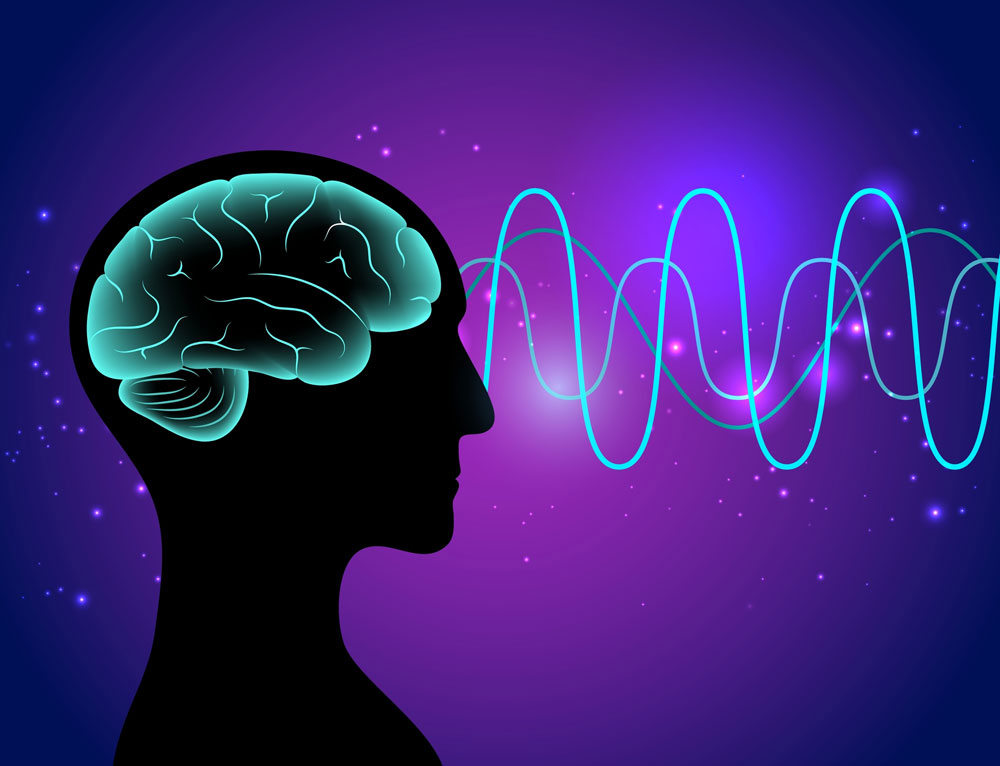
Neurofeedback is a form of brain training in which brain activity is measured and fed back in real time through sound or images. The brain receives information about its own activity and can gradually learn to regulate itself more effectively.
People often consider neurofeedback when they experience stress, restlessness, concentration problems, sleep problems, fatigue or a feeling of overload. Others use neurofeedback to support general functioning, mental balance or performance.
If you first want to know what a practical trajectory looks like, view the rates for intake, QEEG and sessions or contact us with your first question.
Neurofeedback in brief
Neurofeedback is EEG biofeedback for the brain. Sensors measure brain activity, software converts that activity into feedback, and the feedback helps the brain practise more stable regulation. It is not a talking therapy and it is not a quick fix. It is a training process that is tailored after an intake and, where useful, a QEEG.
Why people choose neurofeedback
Many people look for help because talking alone does not always feel sufficient. Neurofeedback focuses on patterns in brain activity and nervous system regulation. This can make it a practical option for people dealing with ongoing restlessness, difficulty concentrating, sleep problems, stress or reduced resilience.
The approach is usually straightforward: an intake first, sometimes with a QEEG, followed by sessions that are adjusted to the individual question and the course of the trajectory.
If you would first like to know who is behind the practice, you can read more about Neurofeedback Hoofddorp and Katayoun Boroomand.
What happens during a session?
During a neurofeedback session, sensors are placed on the head to measure brain activity. The software analyses the data immediately and provides feedback through sound or images. This helps the brain recognise when activity moves toward a desired range.
Neurofeedback training is not about hard mental effort. It is a learning process based on feedback. Over time, this may support more calm, better focus, more stable energy and improved sleep quality. Results and the number of sessions needed differ per person.
Types of neurofeedback and neurotherapy
There are different forms of neurofeedback and neuroregulation. Common examples include:
- Traditional 1, 2 or 4+ channel power training
- Z-score neurofeedback
- Connectivity and coherence training
- Infra-low neurofeedback
- Infra-slow neurofeedback
- Functional MRI neurofeedback (fMRI)
- Haemoencephalography (HEG)
Not every system works in the same way. Equipment, method and training options can differ considerably. That is why the intake is used to look at the person, the question and the most suitable next step.
How does neurofeedback work in practice?
Neurofeedback uses a brain-computer interface to measure signals from the central nervous system and convert them into feedback. That feedback can help the brain organise its activity in a more functional way.
With EEG neurofeedback, sensors are used to measure activity in specific brain areas. The individual pattern is often considered during the intake and may be supported by a QEEG. On that basis, a suitable training plan can be chosen.
The intended goal is that changes in regulation also become noticeable in daily life, for example in thinking, feeling, behaviour, energy and recovery. It remains important to keep expectations realistic and to evaluate the trajectory along the way.
Want to ask a first question?
If you want to know whether neurofeedback or neurotherapy may fit your situation, the next step is usually an intake or an initial orientation by contact. You can ask about the method, QEEG, expected number of sessions, rates and practical planning.